Carbon Neutrality
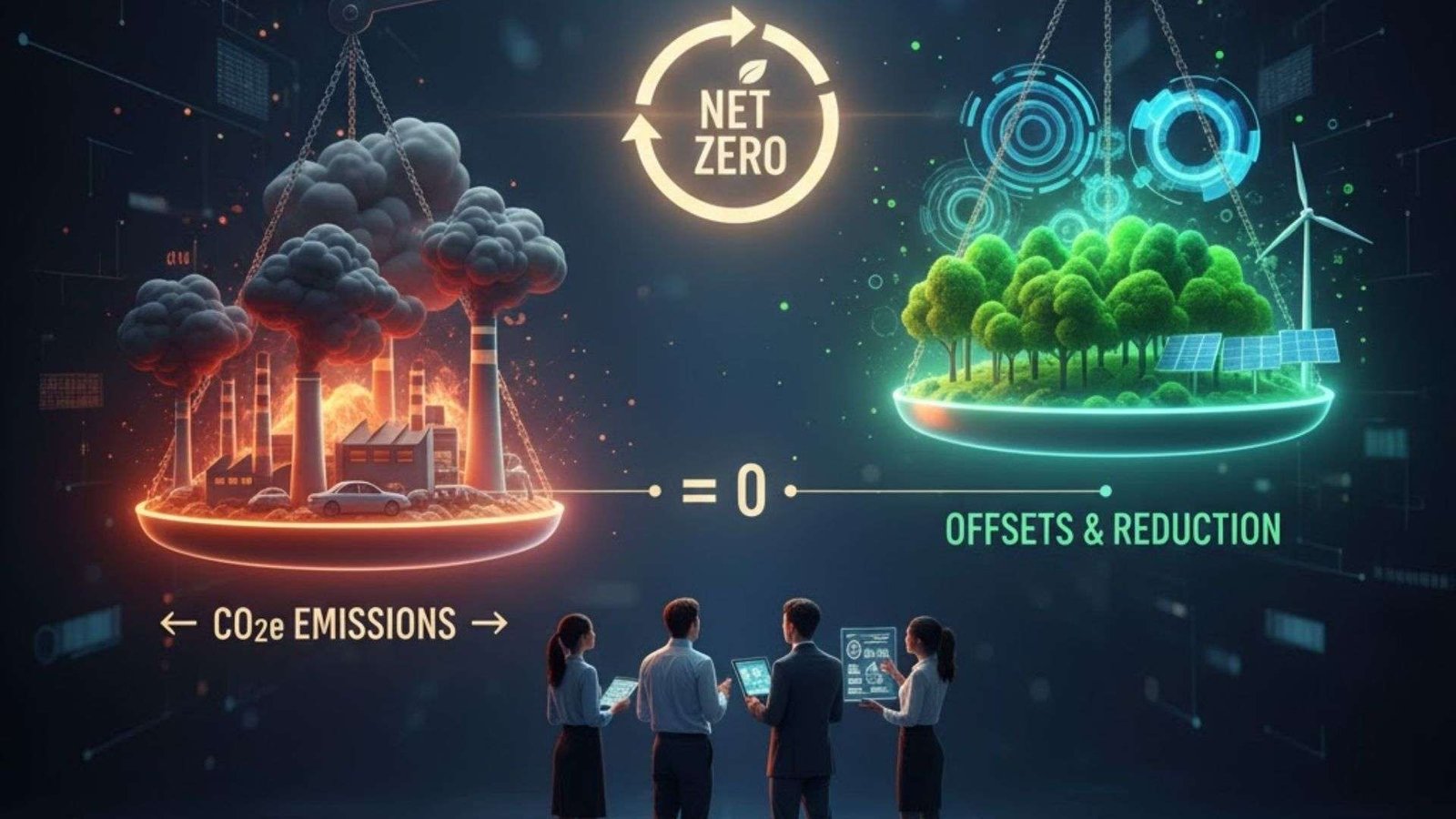
Carbon neutrality is the commitment to balance the amount of carbon dioxide released into the atmosphere with an equal amount removed or offset, creating a net‑zero impact on climate change.
At its simplest, carbon neutrality means that the greenhouse gases we emit, primarily carbon dioxide from burning fossil fuels, are counteracted by actions that absorb or prevent emissions elsewhere.
It is not about eliminating all carbon instantly, but about ensuring that the total balance equals zero.
This concept has become central to climate strategies worldwide, as nations, businesses, and communities recognize the urgent need to stabilize global temperatures.
The journey to carbon neutrality begins with reducing emissions at the source. This includes shifting energy systems away from coal, oil, and gas toward renewable innovation such as solar, wind, and hydro power.
It also involves improving energy efficiency in buildings, transport, and industry. Every kilowatt saved or generated cleanly reduces the amount of carbon entering the atmosphere.
The second step is offsetting unavoidable emissions.
Even with the best technology, some emissions remain, from aviation, agriculture, or manufacturing.
Offsetting means investing in projects that absorb carbon, such as reforestation, soil regeneration, or wetland restoration.
It can also involve supporting clean technology initiatives that prevent future emissions, like methane capture or renewable infrastructure in developing regions.
Carbon neutrality is more than a technical calculation; it is a framework for responsibility.
It signals that organizations and governments are willing to account for their environmental footprint and take active steps to mitigate harm.
For businesses, achieving neutrality can strengthen trust with consumers, attract investment, and align with ethical energy practices.
For communities, it means cleaner air, healthier ecosystems, and resilience against climate shocks.
Critics sometimes argue that carbon neutrality can be misused if companies rely too heavily on offsets instead of reducing emissions directly.
True neutrality requires transparency, measurable progress, and a commitment to long‑term change. It is not a marketing slogan but a systemic transformation of how energy, resources, and production are managed.
On a personal level, individuals can contribute by reducing waste, choosing low‑emission transport, supporting renewable energy providers, and advocating for conservation policy.
While one person’s footprint may seem small, collective action builds momentum toward larger societal shifts.
Ultimately, carbon neutrality is about restoring balance.
It acknowledges that human activity has disrupted Earth’s climate systems and seeks to repair that imbalance through innovation, stewardship, and accountability.
By striving for neutrality, we create pathways to resilient cities, sustainable agriculture, and future ecosystems that can thrive without the shadow of unchecked emissions.