Soil Management

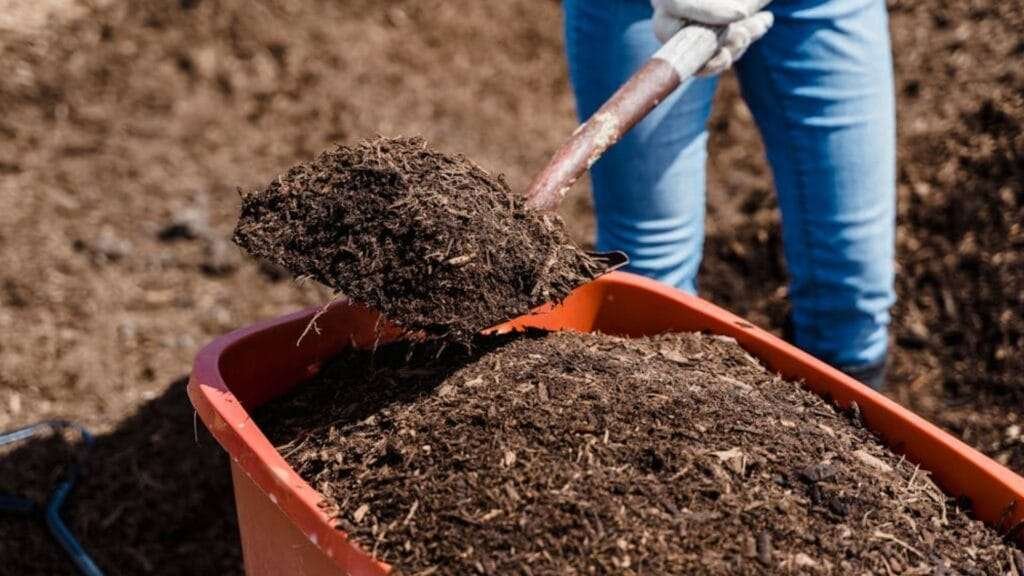
Soil management is concerned with the various ways in which we must use our land to improve soil structure, control erosion, support the water cycle, feed the world, maintain appropriate levels of organic matter in soil, and increase nutrient levels.
Soil is a massive carbon sink that can help mitigate climate change. Soil contains more carbon than the atmosphere and all plant life combined.
Healthy soils with abundant organic matter can sequester large amounts of atmospheric carbon dioxide, helping to reduce greenhouse gas levels.
Soil biodiversity is key to maintaining soil fertility and plant health. One gram of healthy soil can contain over a billion micro-organisms from thousands of species.
This incredible biodiversity drives nutrient cycling, soil structure formation, and plant disease suppression.
Healthy soils act as a water purification system. The organic matter and microbes in fertile soils can filter out and break down many pollutants and contaminants, preventing them from entering groundwater supplies.
Fertile soils increase agricultural resilience to extreme weather events like droughts and floods.
The high organic matter content in healthy soils improves water retention during dry periods and enhances drainage during heavy rains, allowing crops to better withstand climate fluctuations.
Soil degradation poses a major threat to global food security. It’s estimated that 33% of global soils are already degraded, reducing agricultural productivity. With a growing population, preserving fertile soils is critical for meeting future food demands.
Soil health underpins biodiversity above ground. Fertile soils support a wider variety of plant species, which in turn provide habitat and food sources for diverse animal life.
Declining soil fertility directly impacts the survival of many terrestrial ecosystems.

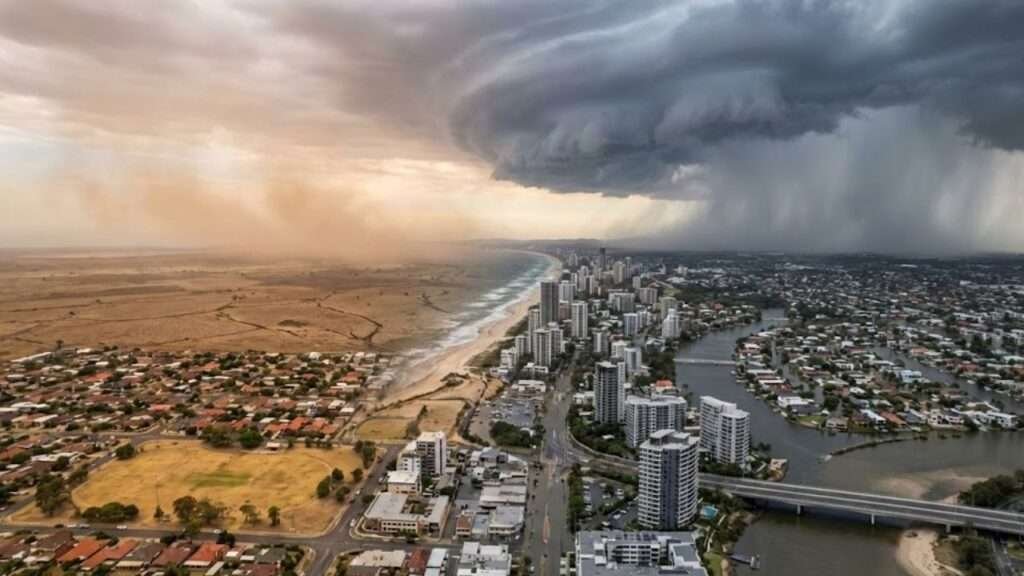
Wild Coastal Weather and climate whiplash In Australia

Making Sense Of Australia’s Wild Coastal Weather And Climate Whiplash

Trying To Understand Australia’s Wild Coastal Weather. Disclaimer. This article provides general information about coastal weather patterns, climate variability, urban […]

Making Sense Of Australia’s Wild Coastal Weather And Climate Whiplash Read More »

, , , ,
fixing australian deserts

Restoration Of Australian Deserts

Restoring Australian Deserts Via The Micro-Basin Approach Desertification is one of the most pressing environmental challenges affecting arid and semi-arid

Restoration Of Australian Deserts Read More »

, , , , , , , , , ,
We Can All Learn From Kachana Station

We Can All Learn From Kachana Station

Regenerative Farming At Kachana Station. Kachana Station, located in Western Australia, represents a pioneering model of regenerative agriculture. Operated by

We Can All Learn From Kachana Station Read More »

, , , , , , , , ,
Inland Salt Water Canals And Halophytes

The Promise of Salt Water Canals and Halophyte Aquaculture

Transforming Inland Living: The Promise of Salt Water Canals and Halophyte Aquaculture. This article explores the transformative potential of integrating

The Promise of Salt Water Canals and Halophyte Aquaculture Read More »

, , , , , , , , , ,
Scroll to Top